


Logo Design 101: How To Create a Memorable Visual Brand for Educational Consultants
At its core, logo design 101 is about mastering the essentials of a strong logo: simplicity, clarity, and adaptability. These fundamentals ensure your logo looks professional across every size, format, and touchpoint, while still reflecting the heart of your business.
A strong logo does more than decorate; it anchors your brand. For Educational Consultants starting their own businesses, a logo often serves as the first impression families, students, and partner schools have of your practice. It communicates who you are, reflects your values, and helps you stand out in a crowded marketplace.
Here, we break down those core elements, share practical logo design guidelines, and highlight budget-friendly options perfect for consultants just getting started.
Elements of a Logo for Educational Consultants
For consultants working with limited resources, online logo makers can be a great starting point. However, before diving into tools, it helps to understand the core design elements of a logo. These basics guide your decisions around your logo’s overall composition, giving you a solid foundation for strong, strategic design.
Logo Design Elements: Color, Clarity, and Imagery
A strong logo is built on three core elements: color, clarity, and imagery. Understanding these fundamentals helps your design communicate your brand effectively so your marketing efforts resonate with prospective and existing clients.
Color:
Color is one of the most powerful tools in logo design. And given that 95% of brands only use one to two colors in their logos, the primary color you choose is paramount. It can evoke emotions, convey professionalism, and make your brand memorable. In a study of top global brands*:
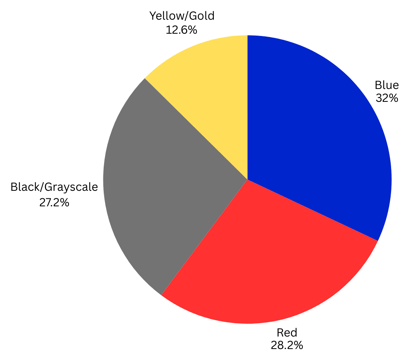
*Values total more than 100% due to logos being counted in multiple color categories when featuring more than one primary color.
- ~33% use blue
- ~29% use red
- ~28% use black or grayscale
- ~13% use yellow or gold
When choosing colors for your logo, consider the psychology behind each hue. Blue often conveys trust and reliability, while red can signal energy and passion.
Tools like BrandColors make it easy to reference exact shades used by well-known brands, helping you find a palette that aligns with your consulting practice.
Clarity:
A logo should be simple and instantly recognizable. Overly complex designs can confuse clients or lose detail when scaled down for emails, social media, or printed materials. Aim for clean lines, clear fonts, and a design that communicates your practice at a glance.
Not only does simplicity make your logo memorable, but it also ensures accessibility, allowing clients of all abilities to easily see, understand, and engage with your brand across every platform.
Imagery:
The graphic or symbol in your logo should reflect your brand’s identity and mission. Whether it’s an icon representing guidance, growth, or education, the imagery should feel intentional and relevant. A well-chosen symbol reinforces your message and makes your logo more memorable.
By focusing on color, clarity, and imagery, even first-time designers can create a logo that feels professional and cohesive, helping your consulting practice leave a lasting impression.
4 Rules of Logo Design
Creating a strong logo goes beyond picking colors and fonts. A well-designed logo follows a few essential rules that ensure it is effective, recognizable, and timeless.
- Keep it Simple: A simple logo is easier to recognize and more versatile across different uses. Avoid unnecessary details or complex visuals. Remember: clarity is key.
- Make it Memorable: A memorable logo sticks in the minds of those in your network. Achieve this by combining simplicity with a design that truly reflects your consulting brand.
- Ensure it’s Enduring: An effective logo should stand the test of time. Aim for a design that will remain relevant and professional for 10, 20, or more years, rather than chasing short-lived trends.
- Design for Versatility: Your logo should work seamlessly across all mediums, from websites and emails to print materials and merchandise. A versatile design ensures consistent branding, regardless of where it appears.
By following these four rules, your logo will be functional across every channel, visually consistent as your brand grows, and strong enough to represent your business for years to come.
Good Logos vs. Bad Logos: Common Mistakes and Logo Design Guidelines
Even with the best intentions, it’s easy to make mistakes when designing your logo. Understanding basic graphic design principles and following clear guidelines can save time, money, and frustration while helping you create a professional, memorable logo that communicates your brand effectively.
Logo 101: Dos and Don’ts
|
DOs ✅ |
DON’Ts ❌ |
|
Follow Logo 101 principles to guide your design choices |
Don’t rely on generic clip art that ignores logo structure |
|
Keep it simple to enhance clarity, memorability, and the features of a good brand design |
Don’t overcomplicate with too many elements or details that distract from your central theme |
|
Test versatility across digital, print, and black-and-white formats |
Don’t follow trends blindly; timeless designs create successful logos |
|
Ensure accessibility so all audiences can read and engage |
Don’t skip feedback! Input helps refine your logo and aligns with logo design theory |
By steering clear of these missteps, you’ll create a logo that looks polished, communicates your brand clearly, and stands out to prospective and existing clients.
Next, let’s explore some user-friendly online logo makers that can help bring your design to life.
Logo Design Options for Your Educational Consulting Practice
Whether you are just starting or looking to refresh your branding, there are logo design solutions for every budget and skill level. Today’s options range from free beginner tools to AI-powered platforms and professional design services, allowing you to choose the approach that best fits your goals, timeline, and resources.
5 Free Tools for Educational Consultants
Several free, beginner-friendly logo design tools make it easy to explore logo concepts and create a polished design without hiring a professional. These platforms typically include customizable templates, large icon and font libraries, and drag-and-drop editors, making them a practical option for consultants learning logo design basics or following common logo design guidelines.
- Canva Logo Maker: Canva’s free logo maker is one of the most popular tools for beginners. With thousands of templates, an intuitive drag-and-drop interface, and a large library of fonts and icons, you can quickly build and customize a logo that fits your brand. It’s especially useful if you want to create additional branded assets like social graphics, presentations, or business cards in the same platform.
- Hatchful by Shopify: Hatchful guides you through logo creation with industry‑specific templates and simple customization steps without any design skills needed. You choose your business type and visual style, and Hatchful generates ready‑to‑use logo options you can download for free.
- Namecheap Logo Maker: Namecheap’s Logo Maker lets you design and download a logo for free with no hidden fees or sign‑ups required. After entering your brand name and selecting style preferences, it generates logo options you can tweak and export in multiple formats, including high‑resolution files that work across digital and print.
- Adobe Express Free Logo Maker: Adobe Express is a browser-based design platform built for quick, accessible content creation. Its free logo maker allows users to create clean, professional logos using pre-built templates, customizable fonts, icons, and layouts. In addition to static logos, Adobe Express also supports simple animated versions, which can be useful for websites or social media.
- DesignEvo: DesignEvo offers access to more than 10,000 logo templates and icons, making it a strong option for consultants who want flexibility without starting from scratch. Its customization options allow you to adjust fonts, colors, layouts, and symbols, giving you more control while still keeping the process beginner-friendly.
AI Logo Design Tools for Educational Consultants
AI-powered logo design platforms make it easy to quickly generate logo concepts and explore different styles. These tools are especially useful for IECs who want to brainstorm branding ideas, visualize logo options, or produce an initial design that can be refined later. Many AI tools also provide vector downloads, ensuring logos are ready for websites, social media, and print.
- LogoAI: LogoAI uses artificial intelligence to create logos with balanced alignment, proportion, and consistency. It also generates brand guidelines and marketing mockups, making it a strong choice for consultants who want a polished, cohesive visual identity from the start.
- Looka: Looka combines AI logo generation with brand customization tools. After entering your brand name and preferences, it produces multiple logo options that can be refined with colors, fonts, and layout adjustments. It’s ideal for consultants looking for both speed and flexibility in logo creation.
- SocialSight AI: SocialSight AI allows users to generate modern, web-ready logos quickly. Its simple interface makes it easy to tweak icons, colors, and fonts, creating professional-looking logos even for those with minimal design experience.
- Tailor Brands: Tailor Brands offers AI-driven logo creation along with additional branding tools like business cards, social media templates, and branded content. This makes it an excellent choice for IECs who want a consistent, professional brand across multiple touchpoints.
- Brandmark: Brandmark generates logo concepts using AI design principles, offering multiple variations to help consultants explore different visual directions. It provides high-resolution vector files and brand kits suitable for both digital and print use.
AI logo design tools offer IECs a fast, accessible way to visualize branding concepts, allowing experimentation with colors, fonts, spacing, and layout. They are particularly useful for testing ideas or exploring different styles before committing to a professional designer.
Still, many consultants hesitate to rely solely on AI-generated logos because the results can feel formulaic or generic. These tools often cannot capture the unique personality, values, or vision of a consulting practice, and they provide limited guidance on long-term brand strategy. As a result, AI logos are often best used as a starting point for inspiration rather than a final, permanent solution.
Professional Options for Educational Consultants
For consultants ready to invest more in branding, hiring a professional designer can take your logo to the next level. While working with a designer may feel daunting, design contests offer a practical solution.
With a design contest, you set a budget and provide a clear brief explaining your goals and preferences. Talented designers from around the world then submit logo concepts for you to review. You choose the winning design, and the designer receives the agreed-upon payment. This approach gives you access to multiple creative perspectives while minimizing risk.
Some popular platforms to explore completed logo contests and find professional designers include
- 99designs: Large community of freelance designers and contest-based projects
- DesignCrowd: Offers flexible contest options and thousands of creative submissions
- DesignHill: Provides both contest-based and one-on-one professional logo design services
By leveraging these professional options, you can secure a unique, high-quality logo that effectively represents your consulting brand and resonates with clients.
Logo Design Guidelines for Independent Educational Consultants
Whether you are just launching your website or updating your existing branding, there are plenty of options to create a professional, memorable logo. With a clear understanding of logo design principles, free tools for beginners, and professional design services for larger budgets, you now have the guidance needed to get started and make your consulting brand stand out.
This post was originally published in December 2017 and has been updated for accuracy and comprehensiveness.